
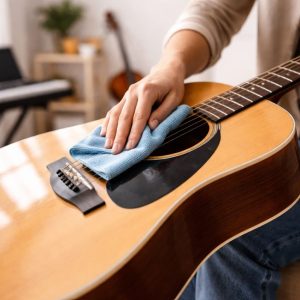
 Musical instruments are sensitive tools. They are built with precise materials, tight tolerances, and delicate surfaces. Because of this, the environment where they are kept matters a lot. One common but often ignored problem is household dust. For musicians, keeping a dust-free home is not just about cleanliness. It protects the instrument, preserves sound quality, and reduces maintenance costs, which is why some households turn to professional cleaning providers like Masa7 Services to help maintain a cleaner and healthier home environment.
Dust Slowly Damages Instruments
Dust looks harmless. It is mostly tiny particles of dirt, fibers, skin cells, and pollen. But over time, it settles inside instruments and causes problems. For example, string instruments such as violins, guitars, and cellos collect dust around the bridge, strings, and sound holes. When dust builds up in these areas, it can affect vibration. The strings cannot move as freely, and the tone may become dull.
Woodwind instruments are also vulnerable. Flutes, clarinets, and saxophones have small pads and keys that must seal perfectly. Dust can settle between the pads and the metal body. Even a thin layer can prevent the pads from closing properly, leading to air leaks and poor sound. Brass instruments are not immune either. Dust can mix with moisture inside the instrument, forming a residue. Over time, this can affect valves and slides, making them sticky or slow.
None of this damage happens overnight. It builds slowly. That is why many musicians do not notice the problem until the instrument already needs repair.
Dust Affects Sound Quality
Sound depends on movement. Strings vibrate. Air moves through tubes. Surfaces resonate. When dust collects inside or on an instrument, it interferes with these processes.
Take a piano as an example. Dust can settle on the strings, hammers, and soundboard. If enough builds up, the hammers may not strike the strings as cleanly. The result can be a slightly muted or uneven tone.
Guitars face a similar issue. Dust that gathers along the fretboard or around pickups can affect resonance and electronic signal quality. Even if the change is small, musicians who play regularly often notice it.
Wind instruments rely heavily on smooth airflow. Dust inside the instrument disrupts that airflow. Players may feel more resistance when blowing, which changes how the instrument responds. These sound changes may not seem dramatic at first. But musicians depend on consistency. When tone or response shifts because of dust, practice and performance both become harder.
Dust Leads to Higher Maintenance Costs
Instruments already require regular care. Strings need replacement. Pads wear out. Valves must be lubricated. When dust enters the picture, maintenance becomes more frequent and more expensive.
Repair technicians often clean instruments during servicing. If an instrument is heavily dusted, technicians must spend more time removing buildup before addressing the real issue.
For example, a saxophone with dusty pads may need to be replaced sooner. A guitar with dust inside its electronics might require cleaning or rewiring. Pianos in dusty homes often need more frequent tuning because dust can affect moving parts. Professional musicians especially feel this cost. Instruments are tools of their trade. Keeping them in good condition helps avoid unnecessary repair bills.
Dust Can Harm Finishes and Materials
Many instruments use delicate finishes. These finishes protect the material and enhance its appearance. Dust can gradually wear them down. Wooden instruments often have varnish or lacquer. When dust sits on these surfaces, it can trap moisture. Over time, this may dull the finish or create small scratches if the instrument is handled without cleaning it first.
Metal instruments face a different problem. Dust can hold tiny abrasive particles. When these particles rub against the surface, they can create fine marks. These marks might not affect sound immediately, but they reduce the instrument’s lifespan and value. Collectors and professional players often invest thousands of dollars in their instruments. Protecting the finish helps maintain that value.
Clean Homes Support Healthier Playing
Dust not only affects instruments. It also affects musicians. Many people have mild allergies to dust or pollen. When dust gathers around instruments, players may inhale it during practice. Wind players are especially exposed because they breathe deeply while performing.
Symptoms can include coughing, throat irritation, or nasal congestion. Even mild symptoms make it harder to control breathing and tone. A cleaner home reduces these issues. It creates a healthier practice environment where musicians can focus on technique and expression rather than discomfort.
Simple Habits Make a Big Difference
Creating a dust-free environment does not require extreme effort. A few habits can make a large difference. Regular cleaning is the first step. Vacuuming floors and wiping surfaces helps reduce dust that settles on instruments. Using microfiber cloths is helpful because they trap particles instead of spreading them around.
Air quality also matters. Air purifiers can remove fine particles from the air before they settle. Good ventilation helps as well. Proper storage is another key habit. Instruments should be kept in cases when not in use. Cases act as barriers against dust and sudden environmental changes. For instruments that stay on stands, covering them with a soft cloth can help. Musicians should also clean their instruments regularly. Wiping strings, keys, and surfaces after playing prevents buildup.
Protecting the Instrument Means Protecting the Music
Musical instruments are more than objects. They are tools for creativity and communication. Dust may seem like a small issue, but over time, it can affect tone, performance, and longevity. Keeping a dust-free home protects the investment musicians make in their instruments. It also ensures the instrument performs as designed.
In the end, caring for both home and instrument goes hand in hand. By controlling dust, musicians not only preserve the life and quality of their instruments but also enhance their practice experience. Regular attention to cleanliness ensures instruments stay reliable, beautiful, and true to their intended sound. Commitment to a dust-free environment is a simple yet powerful step every musician can take toward protecting their art.