 Music festivals are no longer just about the performances, they are about experiences, visuals, and shared moments. Across New York City, festivals like Governors Ball, Panorama, and SummerStage transform parks and arenas into massive hubs of creativity and culture. Amid the sound systems and lighting rigs, step and repeat banners have become one of the most powerful tools to connect artists, fans, and brands in one visual rhythm.
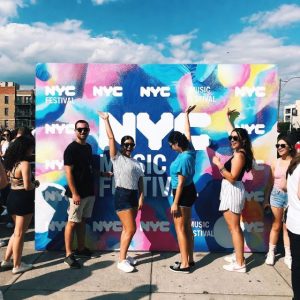
Whether placed near artist lounges or fan zones, a well-designed step and repeat backdrop New York can turn any music event into a branding spectacle. These backdrops, printed with sponsor logos or festival branding, serve as the perfect canvas for fans to snap photos, artists to interact with their audiences, and media outlets to capture festival highlights. In an age where every selfie can reach thousands online, these banners bridge the real and digital worlds with ease.
Bringing Fans Closer to the Music
Fan engagement at music festivals thrives on visuals and experiences. A strategically placed banner near the entry gates or stage access creates an instant opportunity for fans to pose for photos, tag their favorite artists, and share branded content. Festivals have learned that each shared image is free marketing. When festivalgoers post pictures featuring the official logo, it amplifies awareness across platforms like Instagram, TikTok, and X.
Artist meet-and-greets also benefit from step and repeat banners. These photo moments become collectible memories, strengthening the bond between performer and audience. For sponsors, it’s a win-win situation, their logos appear in every snapshot shared online, gaining exposure without disrupting the event’s creative energy.
Creating Branded Fan Zones
NYC festivals are masters at creating immersive brand experiences. Beyond the main stage, sponsors often set up “fan zones” featuring charging stations, lounges, and hydration areas. Here, step and repeat banners provide more than decoration—they define the space. A bold and visually cohesive backdrop turns these zones into mini photo studios where fans line up for their turn to strike a pose. The branding stays subtle yet powerful, blending fun and visibility seamlessly.
Festival organizers have also started designing interactive backdrops using LED lighting, reflective materials, and even augmented reality effects. These innovations make photo ops dynamic, encouraging fans to create and share personalized content. As one event designer noted, “The more Instagrammable your setup, the longer your brand stays in the spotlight.”
Boosting Artist and Sponsor Visibility
Every music festival in New York relies on partnerships to keep the rhythm alive. Step and repeat banners act as the glue between artists and sponsors, giving each a chance to shine without overshadowing the performances. They offer high visibility at red-carpet entrances, media walls, and VIP sections. This professional presentation elevates the event’s image, making it look organized, reputable, and sponsor-friendly.
- Artists use them for pre-show interviews and media coverage.
- Brands use them to gain recognition through fan photography.
- Event organizers use them to maintain consistent branding across zones.
When paired with good lighting, a step and repeat can transform even small corners of a venue into attention-grabbing spaces. Every picture taken against that backdrop extends the brand’s reach far beyond the event grounds.
Driving Social Media Buzz
The power of social media cannot be overstated during NYC’s festival season. Fans often plan their outfits around photo moments, and step and repeat banners give them the perfect excuse to strike a pose. For brands, each tagged photo acts as user-generated marketing. For artists, it builds a visual record of their connection with fans. The shared excitement creates a ripple effect that lasts long after the last note fades.
Festival teams often run contests tied to these banners, such as “Best Festival Photo” or “Most Creative Pose.” These campaigns not only engage audiences but also encourage organic sharing of event imagery. The result? More posts, more tags, and stronger brand recall.
Why NYC Sets the Standard
“Every great festival leaves behind two things,” one NYC event producer said. “Echoes of music and pictures that never fade.”
New York’s vibrant music scene sets the tone for global festival branding trends. The city’s mix of artistry, culture, and commerce makes it the perfect testing ground for creative setups. From rooftop parties in Brooklyn to large-scale events in Central Park, every venue finds its rhythm through visuals. Step and repeat backdrops have evolved from simple logo walls to storytelling platforms that capture the energy of the event and the essence of the brand.
Ultimately, a step and repeat backdrop New York is more than a printed wall, it’s a stage for memories, fandom, and creative expression. It keeps fans engaged, artists visible, and sponsors in the frame long after the crowd disperses. As music festivals continue to evolve, these banners will keep playing their part, quietly but powerfully, at the heart of every shared beat and photo moment.
 One note can warn, promise or remind us of something without even uttering a single word. Consider the chilling strings in Psycho or the victorious brass in Star Wars. These iconic scores just hang around our heads even when the credits are over. The current composers mainstream and indie are creating soundscapes that will determine the way we perceive stories.